Get the app
The Gospel of MarkSample

The world we all want is nearly here
Historical Context
Mark was writing from the great city of Rome in the second half of the first century.
He was part of a small, persecuted Jewish sect known dismissively at the time as ‘the Galileans’. People saw them as followers of a nobody religious teacher from nowhere of any significance.
Yet Mark starts his short biography of this religious teacher with a remarkably bold claim. In words carefully chosen to strike both his Jewish and his pagan readers, he opens:
‘The beginning of the good news about Jesus the Messiah, the Son of God’ (Mark 1:1)
To the Romans, the term ‘gospel’ (literally ‘good news’) was familiar political jargon. It was used when announcing great historic moments such as when emperors came to power. For the Jews, the word was even more loaded. It recalled ancient hopes of a future time when God himself would come as king to bring healing, justice and liberation to a broken world.
Mark wants his readers to be in no doubt about the world-changing significance of what he is claiming about Jesus. According to Mark, the world rulers are nothing in comparison to this Jewish Galilean teacher. In Jesus, God himself has come into the world to make things right.
It seemed then, as it seems now, utterly outrageous. What compelled Mark and the other Galileans to make this remarkable claim? Why were they even willing to die at the hands of the Romans because of it? What could they have seen that led them to believe that Jesus was the Son of God?
This is what Mark will help us uncover as we consider his Gospel.
Mark’s first chapter is fast-paced. It reads almost like a notebook. He describes events as snapshots that together begin to build a picture.
We’ll read a section and then pause for breath.
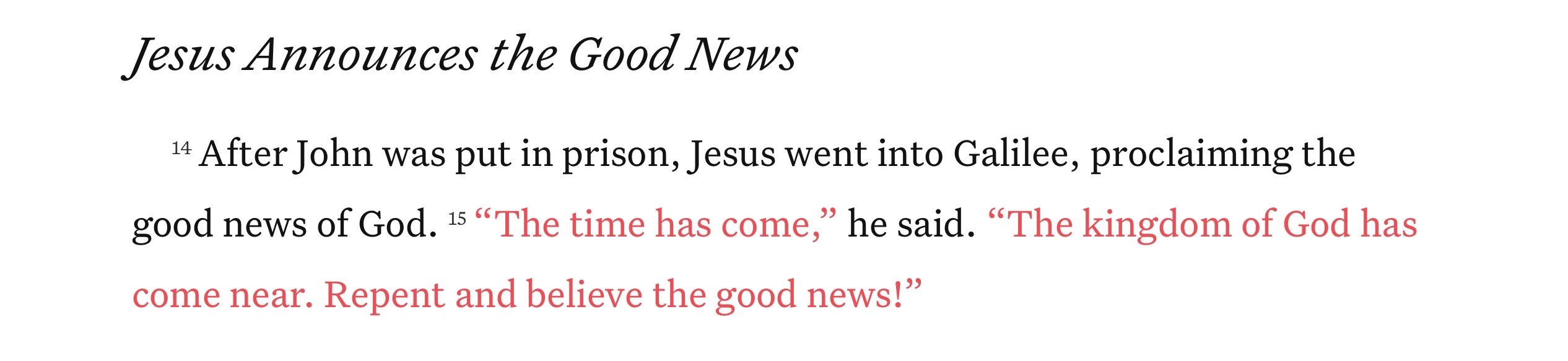
Read Mark 1:14-34 (NIV)
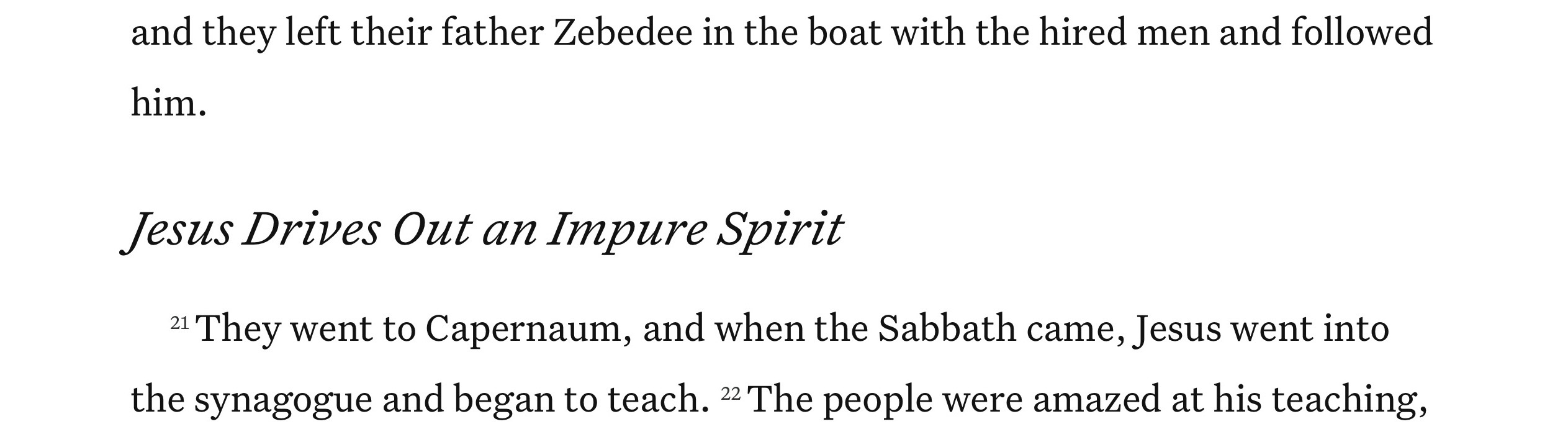
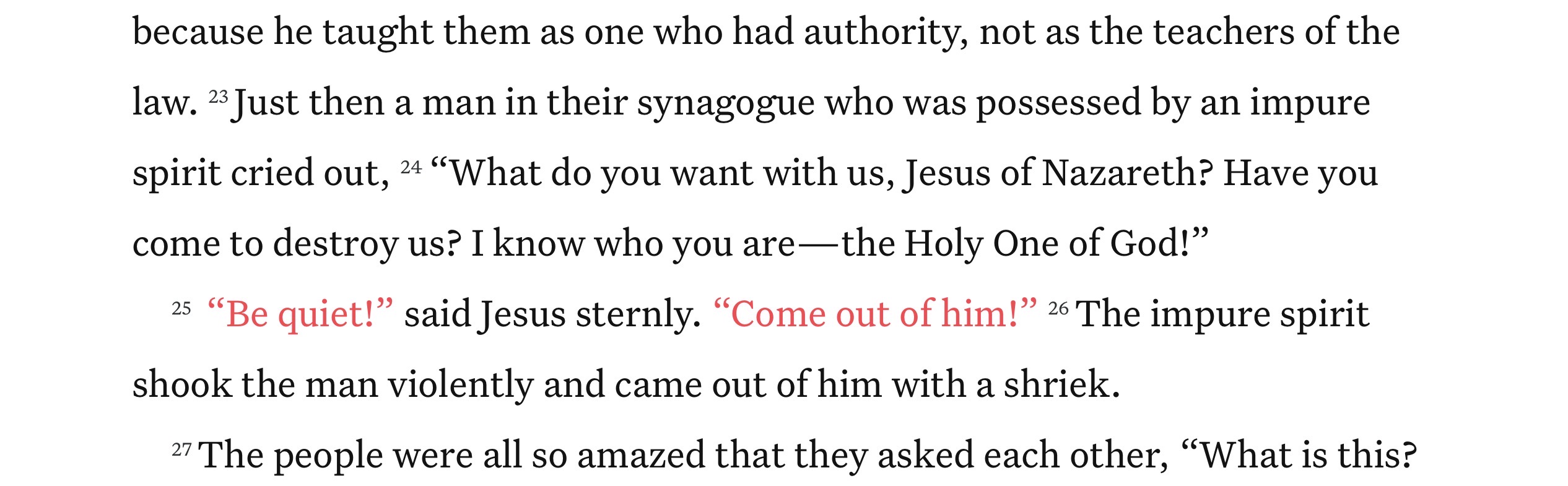
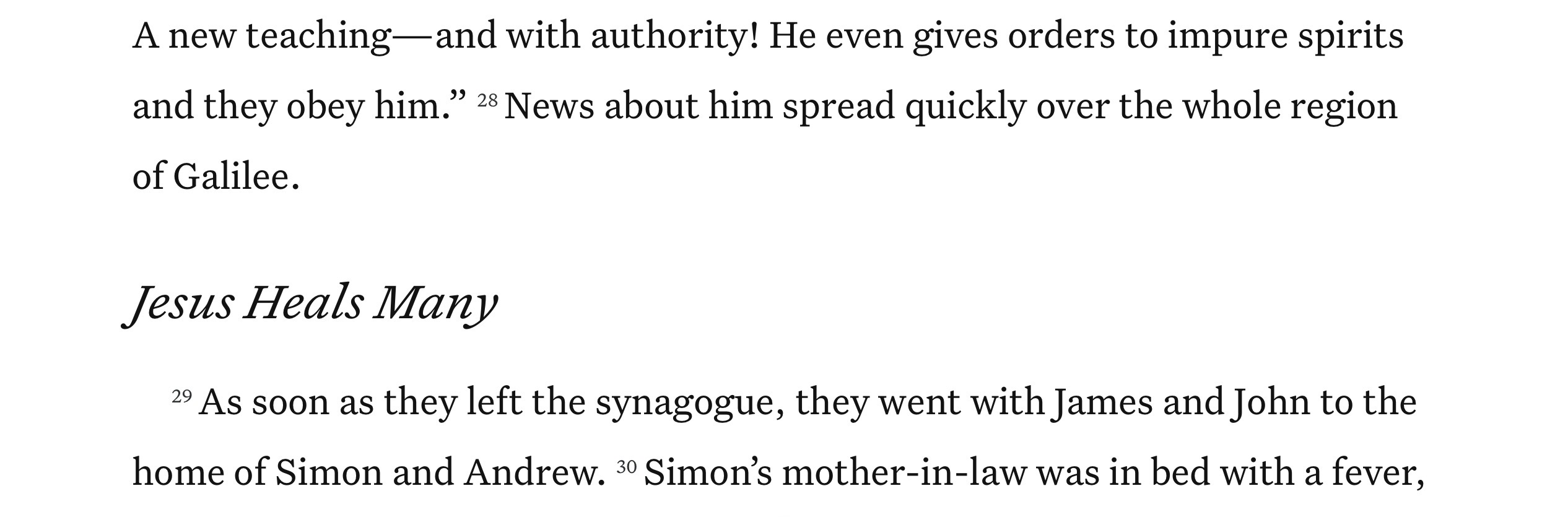
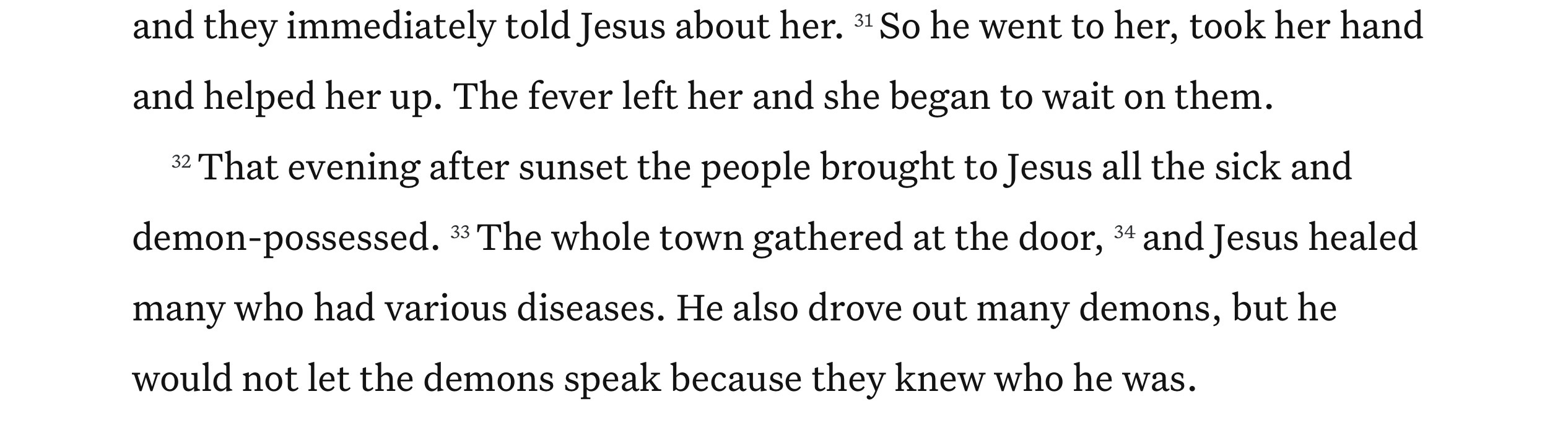
1. What are your immediate impressions of what you've just read? What confuses, interests or disturbs you?
Jesus enters the public stage with an announcement about something he calls the 'kingdom of God' (verse 15).
2. What do you think Jesus could have meant by his phrase 'the kingdom of God'? What might he mean by saying it is 'near'?
Why might it be such good news?
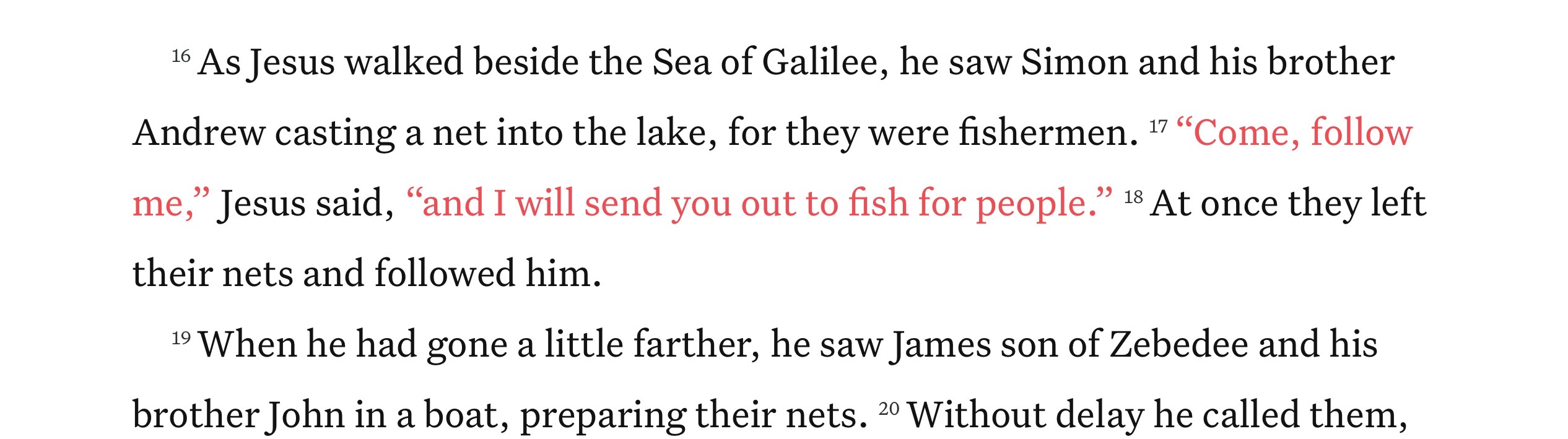
Mark will continue to explore this theme but, whatever he means, Jesus says that the appropriate response is to repent and believe. To ‘repent’ is to do a U-turn in your mind. Jesus’ announcement is of such significance that it requires a radical change of priorities from those who hear it. The next snapshot (verses 16–20) shows us just such a response.
3. How easy do you find it to make sense of the actions of these four fishermen? They left their families, professions and homes to follow Jesus. What could have caused them to take this step, which seemed so reckless?
4. What does it suggest about Jesus that he is able to command such a response?
Jesus next visits the small town of Capernaum on the Sea of Galilee (verses 21–34).
5. The word translated ‘amazed’ includes fear and alarm. What provoked this reaction to Jesus?
6. In that day, ‘authority’ came from being royal or divine. What do you think caused people to describe Jesus as one who taught with authority (verse 22)?
7. That evening the ‘whole town’ came to where Jesus was staying (verses 32–34). Can you understand what attracted people to Jesus?
Do you think you would have been drawn to him?
Throughout the early chapters of his Gospel, Mark presents us with a person around whom extraordinary things seem to happen. With a word from Jesus, sickness left people and those in spiritual bondage were set free. Yet intriguingly, in this next snapshot, we begin to see that Jesus is not comfortable with his growing reputation for miracles.
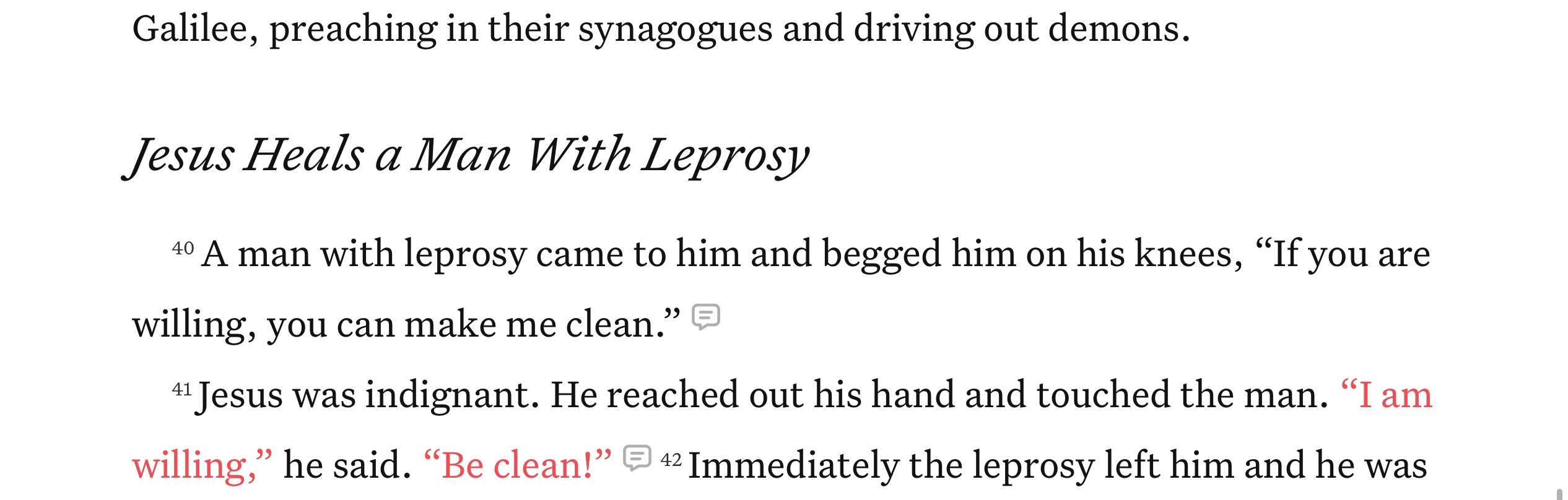
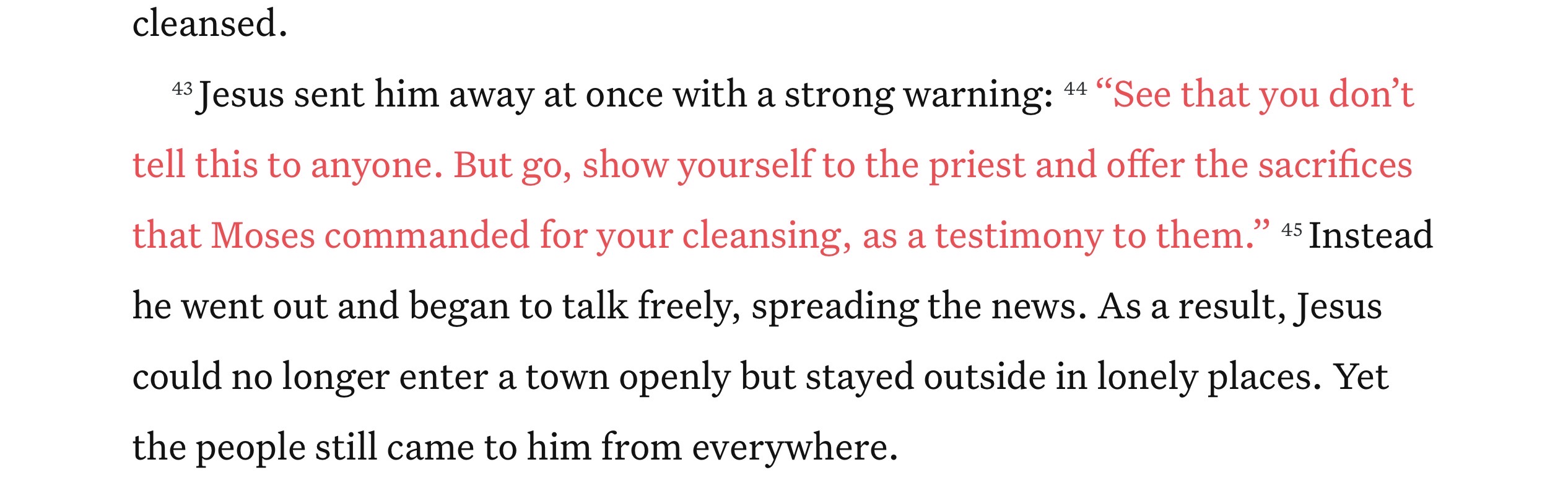
Read Mark 1:35-45 (NIV)
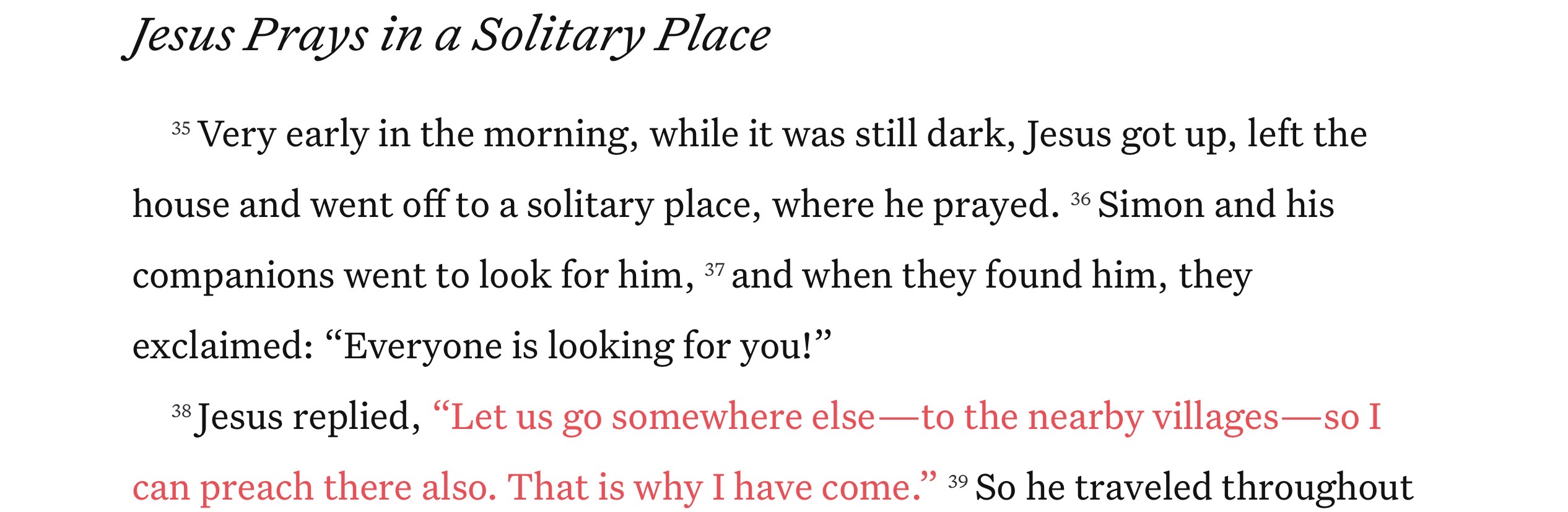
8. Simon and friends are clearly very excited about Jesus’ sudden popularity (verse 37). How does Jesus’ attitude contrast with theirs?
When Jesus heals the man with leprosy, he gives him a strong warning not to tell anyone (verses 43–44). Earlier when Jesus cast out demons he silenced them ‘because they knew who he was’ (verses 25 and 34).
9. Do you find this surprising? Why do you think Jesus is being so secretive about who he is and what he can do?
What does this mean for us?
Jesus’ announcement of the coming ‘kingdom of God’ is followed by an outbreak of miraculous healings. These aren’t simply impressive demonstrations of power; in fact, Jesus was reluctant to draw attention to them. They are rather to be seen as signs of a damaged world being restored; foretastes of how things will be when God is king. One writer puts it like this:
‘Jesus’ healings are not supernatural miracles in a natural world. They are the only truly “natural” thing in a world that is unnatural, demonized and wounded.’
10. How do you view the claim that our world is not as it should be?
11. What do you imagine ‘the world we all want’ would look like?
12. What questions does Mark’s opening chapter leave you with?
Glossary
- Capernaum - a fishing village on the northern shore of Lake Galilee
- Demon-possessed - controlled by evil spirits
- Galilee - a region in northern Israel
- Leprosy - contagious skin infection
- Synagogue - Jewish place of worship
Scripture
About this Plan
There was nothing quite like Mark's Gospel before he wrote it. It was a new form of writing he invented for the sake of his message he describes as 'good news'. Mark thinks it's good news. Read his account and decide for yourself.
More
We would like to thank Uncover for providing this plan. For more information, please visit: https://www.uncover.org.uk/